FR

ON

Ottawa

Learn more about your recycling program.

Recycling program transition

As of January 1, 2026, Ottawa’s recycling program will be managed by Circular Materials, a national not-for-profit organization that is committed to building an efficient and effective recycling system in Ontario.

Until then, please visit Ottawa’s website for recycling-related information.

Questions?

For questions related to:

  • Recycling bin inquiries.
  • Missed collections.
  • What you can recycle.

Please contact: 

As of January 1, 2026, please contact Miller Waste for any recycling-related inquiries.
1-888-852-2374
For concerns or other recycling-related questions, please contact Circular Materials:
customerservice@circularmaterials.ca
1-877-667-2626

What you can recycle

Cardboard boxes

Pizza boxes, direct mail boxes, moving boxes, shoe boxes.

✅ Flatten. No larger than 60 x 60 cm.

Boxboard

Cereal boxes, tissue boxes, egg cartons, rolls from toilet paper and paper towel.

✅ Flatten.

✅ Empty.

Paper laminate packaging

Pet food bags, food service paper bags, and plates.

✅ Empty and free from food residue.
Paper

Any colour, including flour bags, prescription bags, paper produce bags.

Notepads, white or coloured loose paper, file folders, other printed materials.

Community newspapers, flyers, brochures and magazines.

Greeting cards and envelopes, gift boxes.

✅ Empty.

✅ Place shredded paper in a tied clear plastic bag.

Separate from plastic bags used to cover items, remove elastic bands.

✅ Remove rope handle from bags.

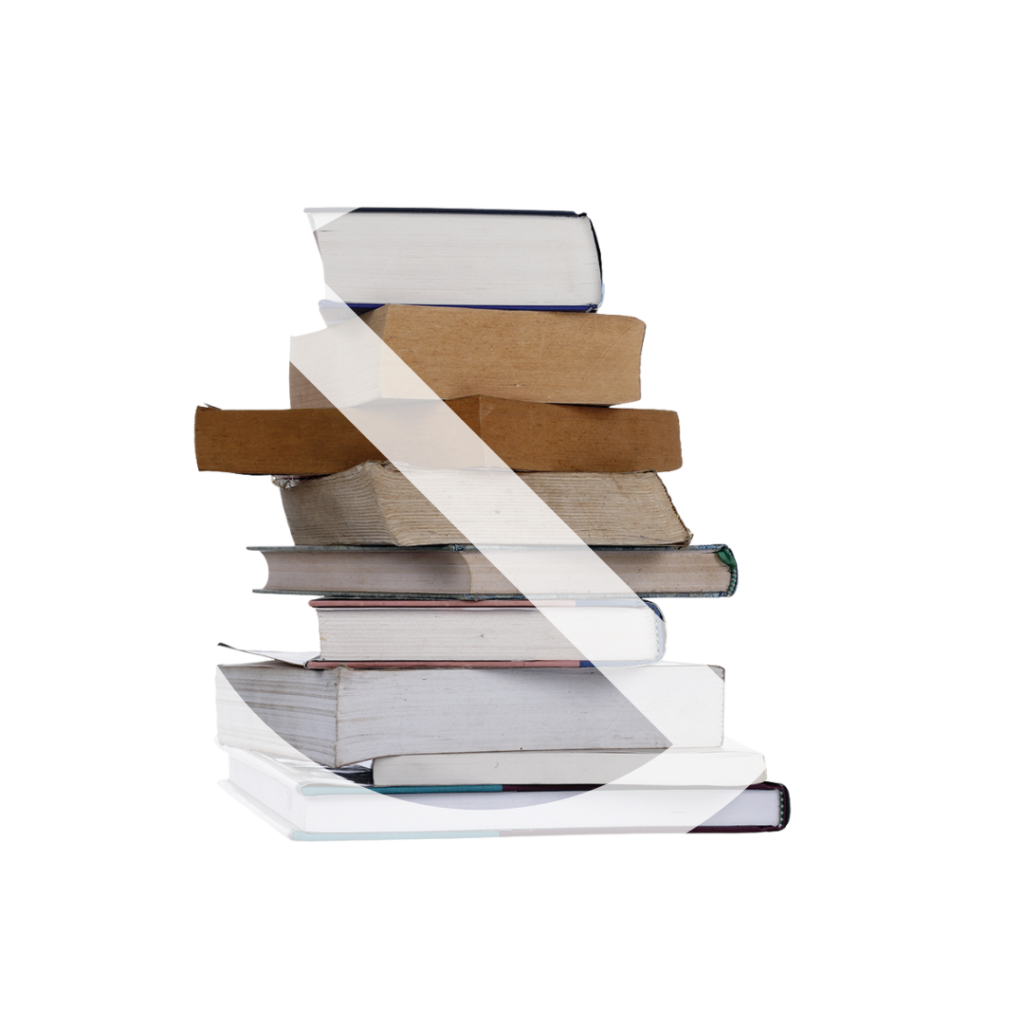
❌ Do not include soft or hard covered books/novels.


Glass containers

Clear and coloured glass. Food containers, jars and bottles. Cosmetic containers, spice bottles, oil and vinegar bottles.

✅ Empty and free from food residue.

✅ Lids and caps off.


Plastic containers

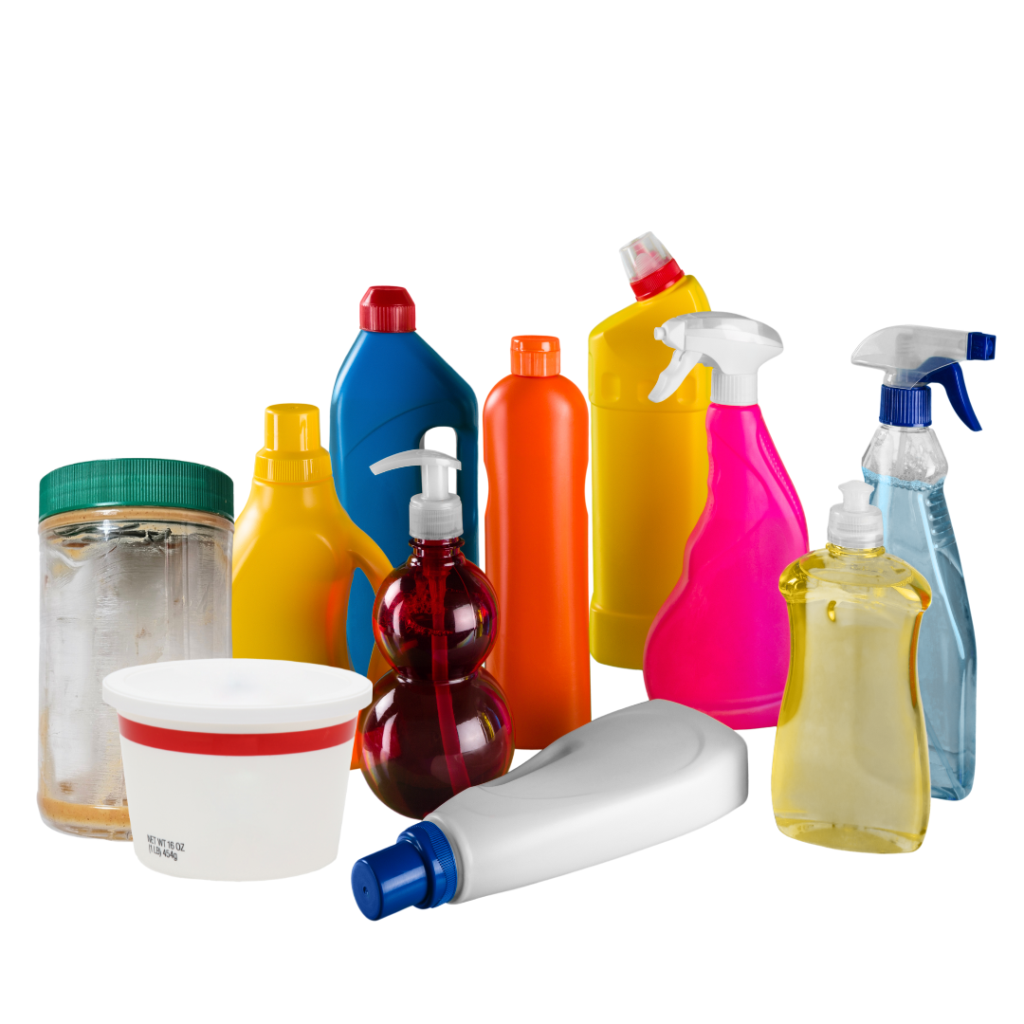
Laundry detergent and household cleaner jugs, shampoo, body wash, salad dressing, condiment, dish soap, mouth wash bottles.


✅ Empty.

✅ Lids and caps on.

Plastic food containers

Food trays, salad, yogurt, peanut butter, bakery and egg containers, plastic cups, plastic tubs and lids.

✅ Empty.

✅ Lids and caps on.

Paper laminate containers

Spiral cans, cookie dough package, ice cream containers, and hot and cold beverage cups.

✅ Empty.

✅ Remove lids.

Cartons

Dairy and dairy substitute cartons, molasses and sugar cartons, laundry and cleaning cartons, soup and sauce cartons, coffee cartons.

✅ Rinse and dry.

✅ Lids and caps on.

Aluminum (foils and trays)

Aluminum foil, pie plates, frozen food trays.

✅ Rinse and dry.

✅ Ball up aluminum foil.

Metal

Food cans, metal lids, candle, cookie, coffee and tea tins.

✅ Rinse and dry.

Foam packaging

Meat trays, takeout containers, cups, plates, bowls, foam packaging for products.


✅ Empty and free from food residue.

✅ Remove film wrap and absorbent pads from meat trays.

Flexible plastic packaging

Bags used for dry cleaning, bread, newspapers and flyers. Overwrap (paper towel & toilet paper, beverage containers). Coffee bags or deli pouches, chip bags, bubble wrap, snack wrappers, cereal liner bags, plastic gift bags.


✅ Empty and free from food residue.
Be recycle ready

  • Give containers a quick rinse before putting in your recycling.
  • Place materials clean, dry and loose in your recycling.
  • Flatten and bundle cardboard to save space.
  • Lids and labels can remain on containers.
  • Have your recycling to the curb by 7 a.m. on collection day.
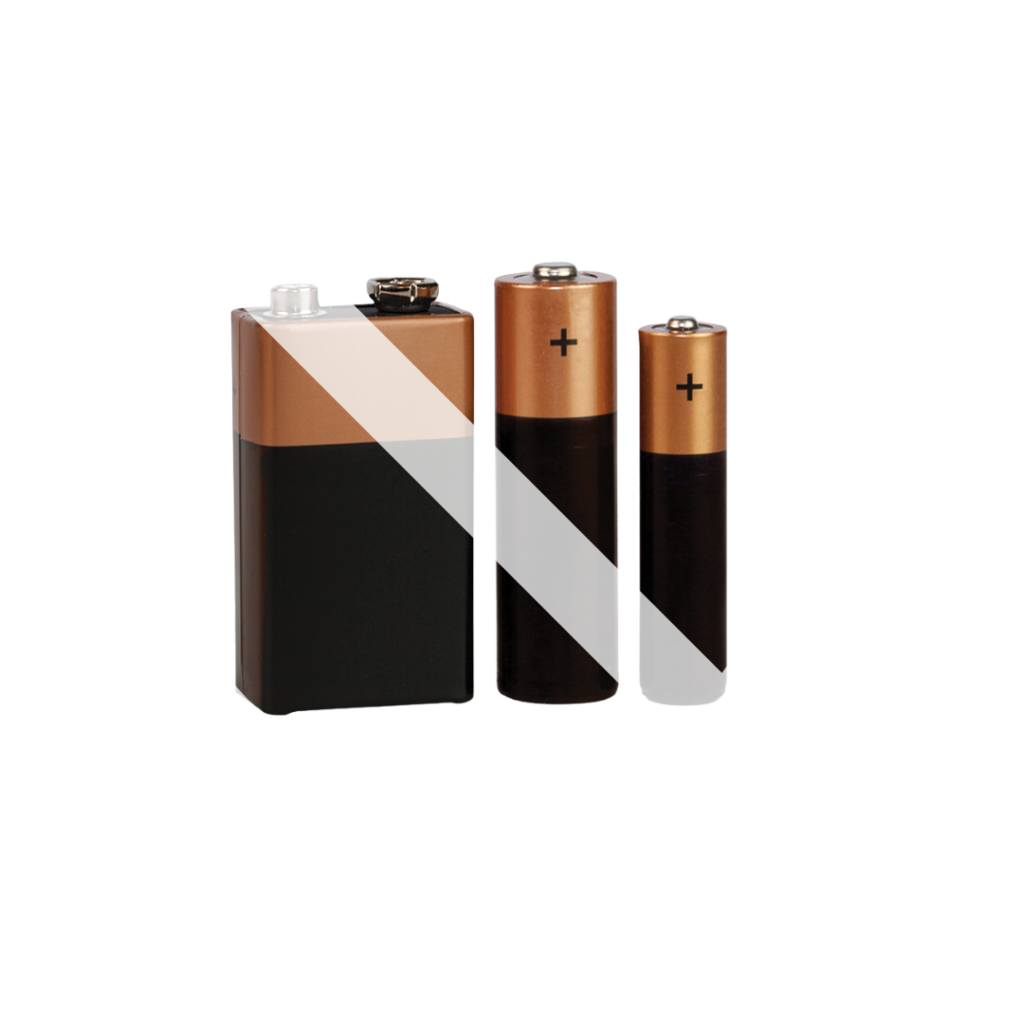
  • Hazardous materials, like batteries and medical sharps, do not belong in your recycling. Safely recycle them at a designated drop off location.

What’s not accepted

Books

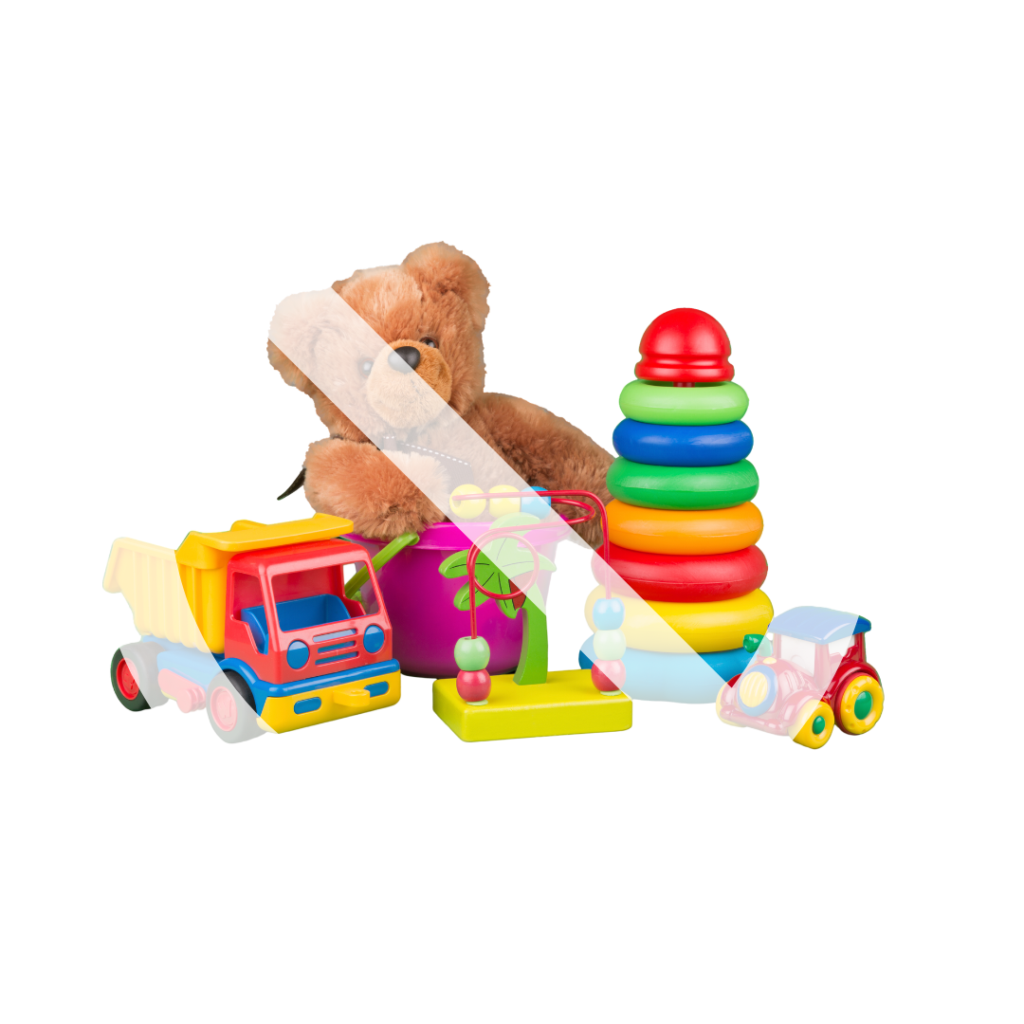
Toys

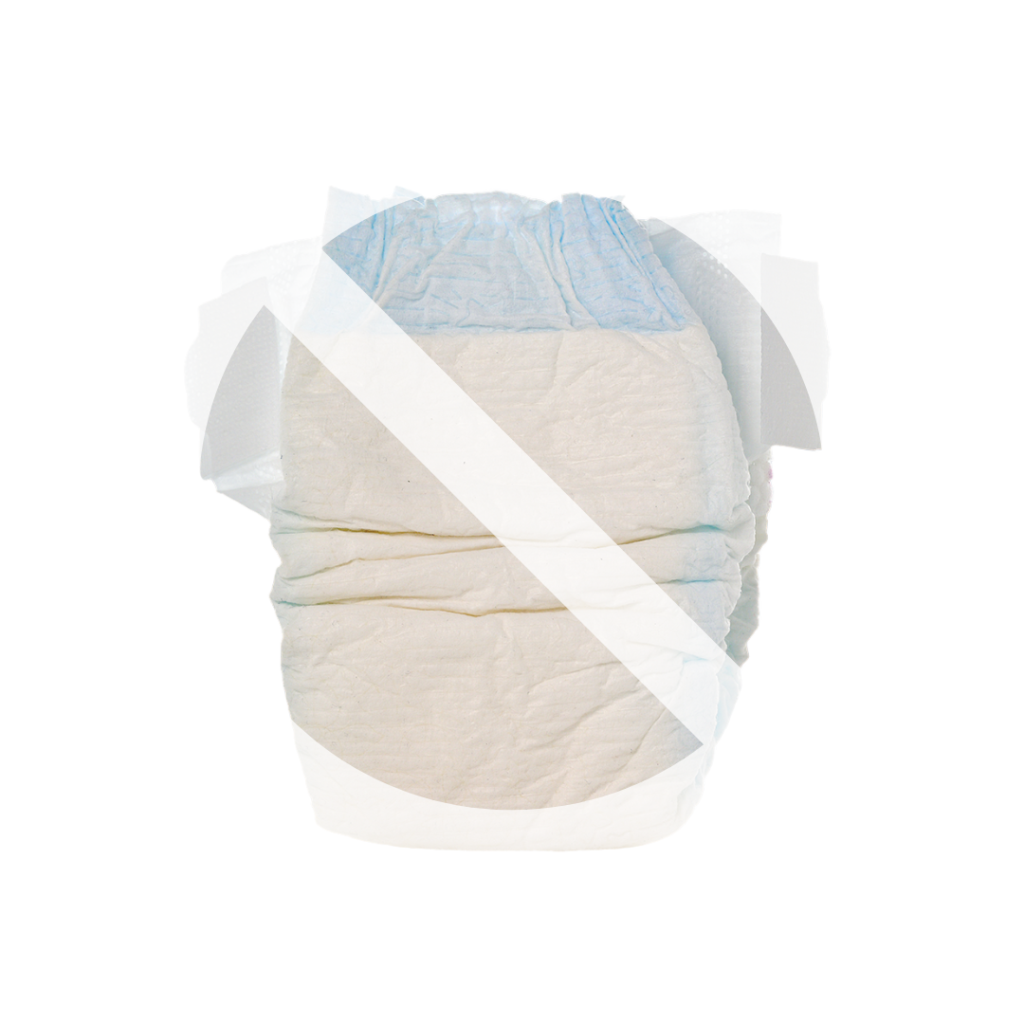
Diapers

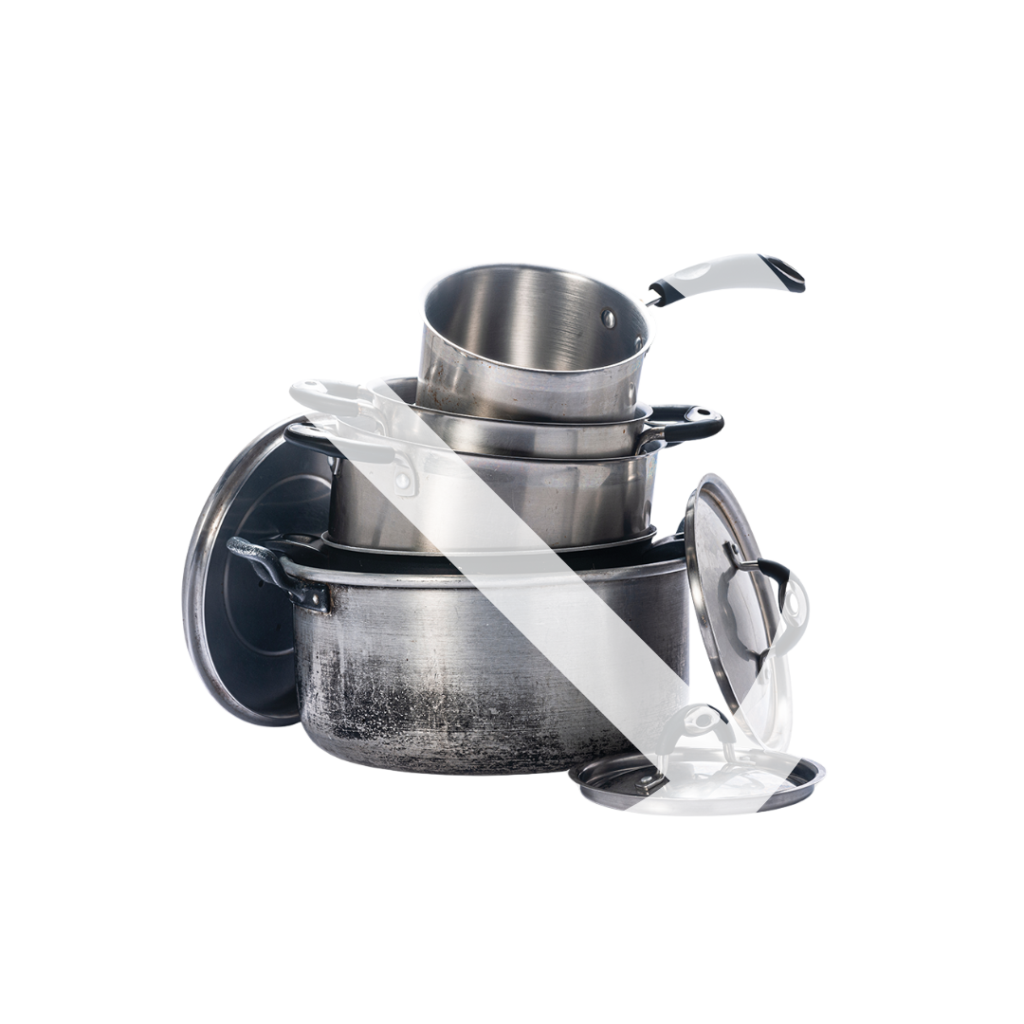
Pot and Pans

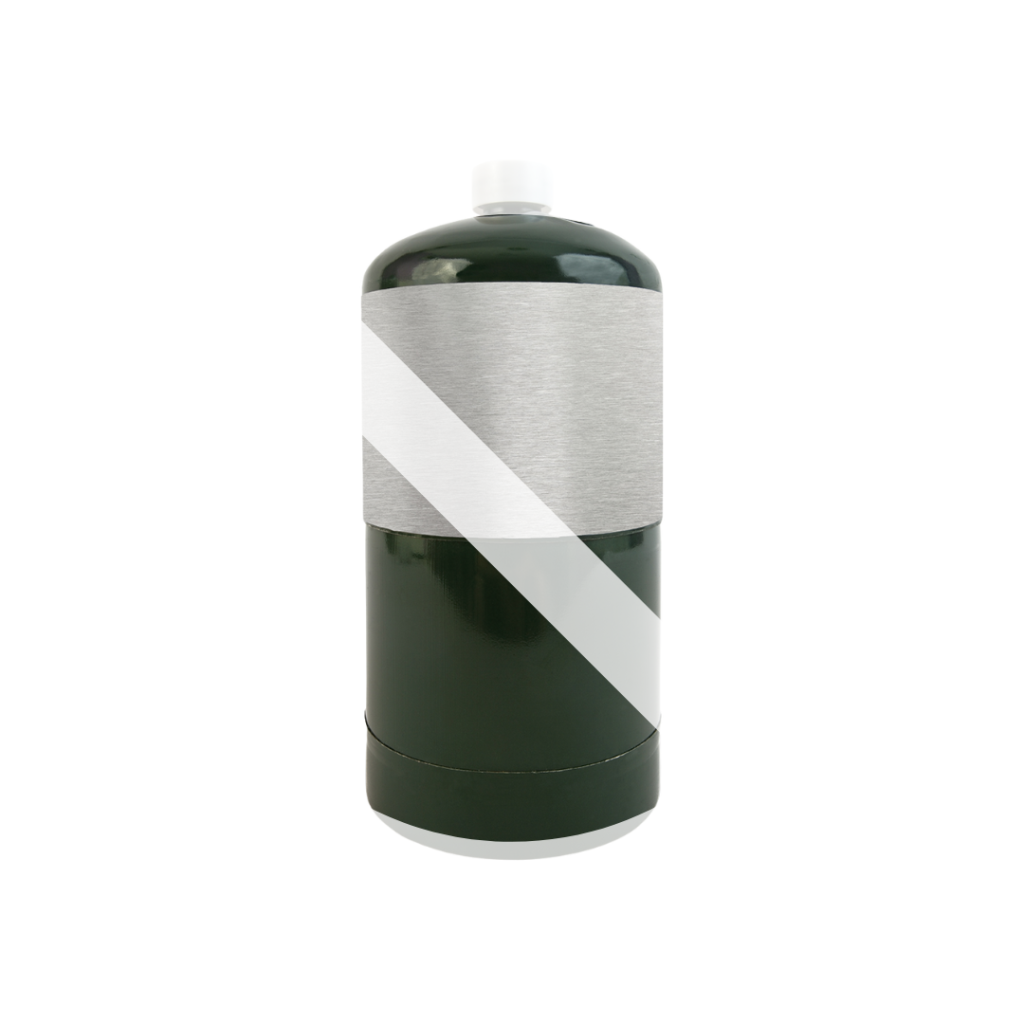
Hazardous Materials

Batteries

Find out more about Ontario's recycling program

Latest educational features

two graphics showing the partnership between Circular Materials and Call2Recycle Canada

September 12, 2025

Battery recycling

Did you know that putting batteries in your recycling can pose serious safety risks to workers and facilities, as well as harm the environment?

April 14, 2025

Benefits of recycling

By giving materials a second life, we reduce the strain on natural resources, lower pollution, and help create a cleaner, healthier planet for future generations. It’s a simple yet meaningful step everyone can take to contribute to a more sustainable and responsible way of living.

October 22, 2020

Plastics 101

Have you ever wondered about the different types of plastics and how they affect our planet? Understanding plastics is key to making informed choices and contributing to a cleaner, greener world.

October 14, 2020

Summer recycling guide

Learn how to make recycling a breeze this summer.